When Countertop Restoration Makes Sense (And When Replacement Is the Better Call)
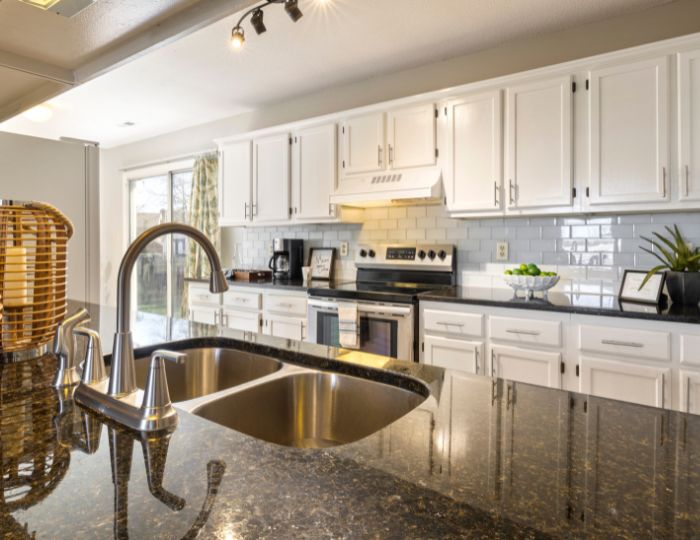
A worn countertop can drag down the look of an entire kitchen or bathroom. Etch marks, dull patches, stains, or small chips often make homeowners assume replacement is the only option. In reality, many countertops can be restored to look dramatically better without the cost, noise, or downtime of a full tear-out.
This guide explains when countertop restoration is the smart move, when replacement makes more sense, and how to decide which path fits your surface, budget, and goals. If you live in the East Bay and are weighing your options, this will help you make a confident call before committing to a major project.
What countertop restoration actually includes
Countertop restoration focuses on repairing and refinishing the surface you already have, not covering it up or swapping it out.
Depending on the material and condition, restoration may include:
-
Honing to remove etches, light scratches, and uneven wear
-
Polishing to restore clarity and sheen
-
Stain removal using stone-safe methods and poultices
-
Chip and edge repair where small damage has occurred
-
Deep cleaning and sealing to slow future staining and wear
This process is especially common for natural stone surfaces like marble, granite, limestone, and travertine, but can also apply to other solid surfaces depending on the issue.
If the structure underneath is sound, restoration can often deliver a “like new” appearance without changing the countertop itself.
When restoration is usually the right choice
Restoration tends to be the better option when the countertop is cosmetically worn but structurally intact.
Common scenarios where restoration works well:
-
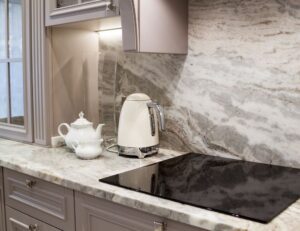
Marble counters with etch marks or dull traffic areas
-
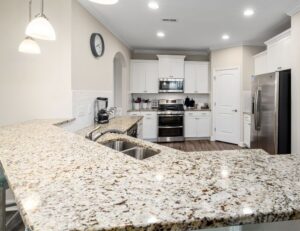
Granite that looks flat or unevenly shiny
-
Small chips near sinks or edges
-
Light staining on porous stone
-
Counters that feel tired but are otherwise solid and stable
In these cases, professional honing and polishing can reset the surface rather than masking the damage. Homeowners are often surprised by how much improvement is possible without replacement.
When replacement may be the better option
Restoration is powerful, but it is not magic. Some situations call for replacement instead.
Replacement is often the better path when:
-
The slab is cracked through or structurally compromised
-
Cabinets underneath are failing or out of level
-
There is severe warping or movement at seams
-
The countertop layout or size no longer fits how you use the space
-
You want to change materials entirely (for example, moving from tile to slab stone)
A reputable restoration professional will tell you when repair is realistic and when it is not worth the investment.
Cost, downtime, and disruption: restoration vs replacement
One of the biggest differences between restoration and replacement is impact on your home.
Restoration typically means:
-
Lower cost than replacement
-
Faster turnaround (often one day)
-
No cabinet removal or plumbing disconnects
-
Less dust and disruption
Replacement often involves:
-
Higher material and labor costs
-
Multiple trades (fabricator, plumber, installer)
-
Longer timelines
-
Temporary loss of kitchen or bath use
For many homeowners, restoration is the most efficient way to refresh a space without triggering a full remodel.
How to know if your countertop is a good candidate
Before deciding, it helps to answer a few simple questions:
-
What material is the countertop made from?
-
Are the issues on the surface, or is the slab damaged underneath?
-
Do you want to keep the existing layout and material?
-
Is the damage limited to wear, etching, or small chips?
If you are unsure, a professional assessment can clarify what is possible and what results to expect.
Why professional restoration matters
DIY fixes and harsh cleaners often make stone problems worse. Acids, abrasives, and aggressive scrubbing can permanently damage marble and other calcium-based stones.
Professional stone restoration uses:
-
Controlled grinding and polishing systems
-
Stone-specific abrasives and compounds
-
Proper sealing and protection steps
This approach restores the surface evenly and safely, rather than spot-treating damage in a way that leaves visible patches.
A&D Floor Restoration works with homeowners throughout the East Bay on countertop restoration, stone polishing, and surface repair. You can learn more about their stone restoration services or review recent customer feedback before scheduling an evaluation.
The bottom line: restore when you can, replace when you must
Not every worn countertop needs to be ripped out. When the surface is sound, restoration can extend its life, improve appearance, and save significant time and money. When the structure is failing or your needs have changed, replacement may be the better long-term investment.
If you are weighing countertop restoration versus replacement and want an honest assessment, you can request a quote from A&D Floor Restoration and talk through your options. The right choice is the one that fits your surface, your space, and how you actually live with it every day.