How To Clean My Stone Surfaces (Floors, Counters & More) Without Ruining Them
Have your once-glossy marble floors gone dull or cloudy? Do your granite countertops always look streaky, no matter how often you wipe them? Many people scrub harder, try stronger products, then wonder why their stone surfaces look worse every year.
The truth is simple. Stone is tough, but it is not invincible. Vinegar, bleach sprays, steam mops, and scratchy pads can etch, stain, or wear away the polish. Then you end up paying for professional restoration that could have been avoided with the right daily care.
Stone surfaces include marble, granite, travertine, limestone, slate, quartzite, and tile with stone or grout. You see them in kitchens, baths, lobbies, and outdoor patios. Each type behaves a little differently, so your cleaning routine should match the stone you have.
This guide gives you a clear, step-by-step way to clean stone floors, countertops, and bathrooms safely. You will learn simple daily and weekly habits, what to use (and avoid), and how to know when it is time to bring in a professional. A&D Floor Restoration serves homeowners and businesses across the East Bay, helping tired stone surfaces look like new again.
Know Your Stone: Marble, Granite, Tile and More
Not all stone is the same. What is safe for granite can damage marble in a single cleaning. When you know what you are standing on or wiping down, you can protect it instead of wearing it out.
The big difference is how porous the stone is. Porous stone has tiny holes that soak up liquids and stains. Less porous or dense stone resists stains better but can still scratch or etch.
- More porous stones: marble, limestone, travertine, some types of slate
- Less porous stones: granite, quartzite, many porcelain tiles
Acidic products, like vinegar or lemon cleaners, attack calcium-rich stone such as marble, travertine, and limestone. This causes etching, which looks like dull white spots or rings. Heavy foot traffic can also create uneven tiles, called lippage, or worn traffic lanes that look flat and lifeless.
Regular cleaning can keep dirt under control. Deep etching, lippage, or heavy wear need professional stone restoration. That is where trained technicians grind, hone, or polish the surface to restore a smooth, even finish.
Common types of stone surfaces in homes and businesses
Here is a quick guide to what you probably have:
- Marble: Soft, elegant, often white or light-colored with veins. Common on bathroom vanities, floors, fireplaces, and some kitchen islands. Prone to etching and scratching.
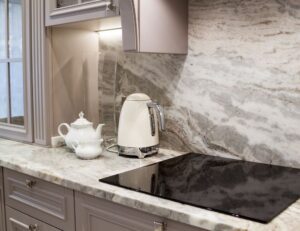
- Granite: Hard, speckled, and usually darker. Very common on kitchen counters and some floors. Resists stains better when sealed, but can still chip or crack.
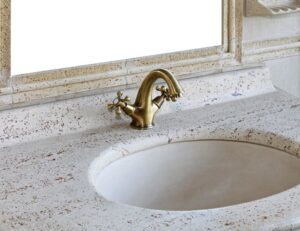
- Travertine: Creamy, tan, or beige with small pits or holes. Found on floors, showers, and patios. Often filled and polished or left more rustic. Sensitive to acids.
- Limestone: Similar to travertine but usually smoother. Used on floors, walls, and fireplaces. Also reacts to acidic cleaners.
- Slate: Dark, layered look with a natural texture. Popular for entry floors, patios, and some bathrooms. Can be flaky if not treated correctly.
- Quartzite: Natural stone that looks like marble but is harder, often used on kitchen counters and islands. Still needs proper sealing and cleaning.
- Tile with stone or grout: Ceramic or porcelain tile with cement grout joints, or fake “stone-look” tile. Grout is very porous and collects dirt, even if the tile itself is dense.
Once you know the type of stone, you can pick the right cleaner and avoid expensive damage.
Why the right cleaner matters for each stone type
Your stone cleaner is not “just soap.” The wrong one can break down the surface every time you use it.
Acidic cleaners, like vinegar, lemon, or many bathroom products, react with marble, travertine, and limestone. The shine gets eaten away and dull spots form. Harsh degreasers and high-alkaline products can strip sealers and leave the surface more open to stains.
Scouring powders and rough pads can scratch polished marble and granite. Over time, this creates a hazy, worn look that regular cleaning cannot fix.
A pH-neutral stone cleaner, paired with soft tools like microfiber cloths and non-scratch pads, is the safest daily choice. If your stone already looks etched, scratched, or uneven, regular cleaning will not bring back the gloss. That is when professional stone restoration or polishing, like the services described on the A&D Floor Restoration service page, makes sense.
Daily and Weekly Stone Care: Simple Habits That Prevent Damage
You do not need a long cleaning checklist every day. A few fast habits keep stone from reaching the “emergency” stage.
Gentle daily cleaning for stone floors
Grit is your stone floor’s enemy. Tiny bits of sand and dirt act like sandpaper under shoes.
For daily care:
- Use a dust mop or a vacuum set to “hard floor” to pick up dry dirt.
- Pay extra attention near doors, rugs, and kitchen work zones.
For light mopping:
- Mix warm water with a pH-neutral stone cleaner, following the label.
- Use a flat microfiber or other soft mop. Keep it damp, not soaking.
- Work in small sections so you can control moisture.
Avoid steam mops, string mops, and buckets of dirty water. Too much water can seep into grout and stone, which leads to darkened joints, efflorescence, or loose tiles.
In busy areas, like entryways or kitchens, dry the floor with a clean towel. This helps prevent water spots and reduces slip risk.
Safe daily wipe downs for stone countertops and vanities
Kitchen and bath counters see spills all day long. Coffee, wine, toothpaste, and makeup can all stain if they sit on porous stone.
Use this simple routine:
- Wipe up spills right away.
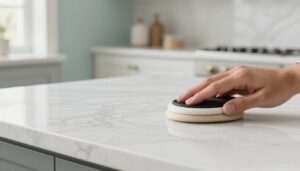
- Use a soft cloth or microfiber towel.
- Spray or apply a pH-neutral stone cleaner, or use mild dish soap with water.
- Wipe, then dry with a clean cloth so the surface does not streak.
Avoid:
- Vinegar or lemon-based cleaners
- Bleach sprays and disinfectant wipes with strong chemicals
- Glass cleaner on marble or granite
- Abrasive powders or scrub pads
Use cutting boards for food prep, trivets under hot pots, and coasters under drinks. These small habits protect both the stone and its sealer.
If you already see etched spots, dull rings, or stubborn stains, a professional countertop restoration or polishing service, like those explained on the A&D Floor Restoration services page, can bring the shine back without risking more damage.
Weekly deeper clean for grout lines, showers, and busy areas
Once a week, spend a little more time on problem zones.
For floors and grout lines:
- Use a soft brush or old toothbrush on grout.
- Apply a non-abrasive, pH-neutral cleaner.
- Agitate gently, then rinse with clean water and wipe dry.
For showers:
- Pre-rinse walls and floors with warm water.
- Use a stone-safe cleaner, then a soft brush on corners and soap scum.
- Rinse thoroughly, then use a squeegee or towel to dry surfaces.
A daily squeegee after each shower helps a lot. It cuts down on soap buildup and hard water spots on stone and glass.
If grout is deeply stained, mold is growing in joints, or old caulk is cracking, basic cleaning will not fix it. Professional tile and grout cleaning and repair may be the better choice, especially in older showers.
Step-by-Step: How to Clean Stone Floors, Counters, and Bathroom Surfaces
Now that you know the basics, here is a clear routine you can follow today. Always test any cleaner in a hidden area first and check the label for stone-safe use.
How to clean stone floors without scratching or streaks
Follow this routine for marble, granite, travertine, limestone, slate, and other stone floors.
- Clear the area
Move chairs, small tables, and rugs so you can reach all the floor. - Dry dust mop or vacuum
Remove loose dirt, hair, and grit. Use a hard-floor setting or a brush that will not scratch. - Mix your cleaner
Fill a bucket with warm water and add pH-neutral stone cleaner as directed. Do not guess the amount. - Damp mop in sections
Dip the mop, wring it out well, then mop a small area. You want the floor damp, not wet. For polished marble, work in straight lines. For textured slate, work a little slower so you reach the low spots. - Change the water often
Dirty water spreads soil around and leaves a film. If the water looks gray, replace it. - Dry or buff if needed
In shiny areas, like polished marble or granite, dry with a clean microfiber towel. This reduces streaks and helps the floor look bright again.
Signs your floors may need professional honing, polishing, or sealing include dull traffic lanes that stay gray even after cleaning, etch marks, or tiles that feel rough and uneven. At that point, stone floor restoration services are the most effective way to reset the surface.
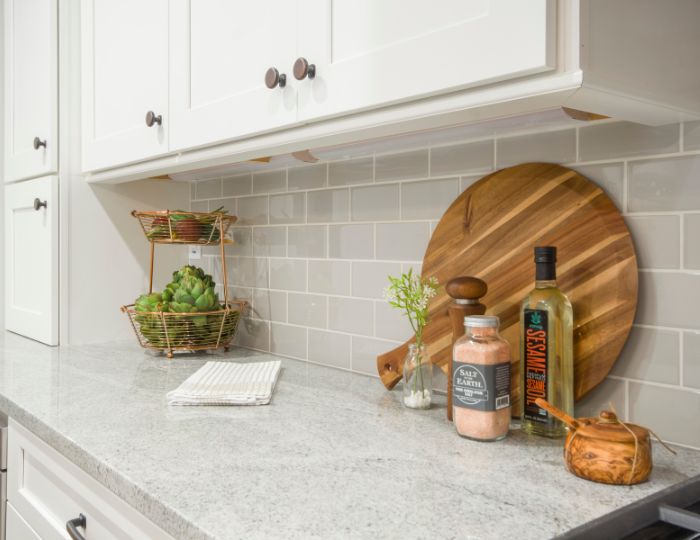
How to clean marble and granite countertops so they shine
Counters face spills, knives, hot pans, and daily clutter. A clear process keeps them looking fresh.
- Clear the counter
Move appliances, decor, and items to one side so you have space. - Wipe crumbs and dust
Use a dry or slightly damp microfiber cloth to pick up loose debris. - Apply stone-safe cleaner
Spray a pH-neutral stone cleaner or use mild dish soap mixed with water. Do not soak the surface. - Wipe in small sections
Use a microfiber cloth and gentle circular motions. For edges and seams, fold the cloth and run it along the line. - Dry and buff
Use a clean, dry microfiber to buff the surface. This helps reduce streaks and brings back a smooth shine.
For light stains on some stones, you can try a stone-safe poultice product that draws the stain out over time. Always read the directions and test in a discreet spot.
Deep stains, burn marks, nicks, or etched patches often sit below the surface. Scrubbing harder will not fix them. Professional marble and granite polishing can re-level the finish. If you are unsure what is possible, you can read real experiences of marble and granite restoration on the A&D Floor Restoration reviews page.
How to clean stone showers, bathroom floors, and vanity tops
Bathrooms mix moisture, soap, and personal care products, many of which are not stone-friendly. A gentle but regular routine keeps everything under control.
For stone showers and tub surrounds:
- Pre-rinse with warm water to loosen soap and body oils.
- Spray a stone-safe cleaner on the walls and floor.
- Use a soft brush or non-scratch pad on grout lines and problem spots.
- Rinse thoroughly from top to bottom so no cleaner remains.
- Dry with a squeegee or towel to cut down on water spots.
For bathroom floors and vanity tops, use the same methods as for stone floors and kitchen counters. Avoid common bathroom cleaners that list acids or bleach. These can dull marble and other calcium-based stones fast.
A daily shower spray that is labeled safe for natural stone can help reduce buildup. Still, if you already see heavy soap scum, dull stone, missing grout, or loose tiles, a professional shower and tile restoration service from a company like A&D Floor Restoration is the safest way to get the space back in shape.
Stains, Etching, and Wear: When to Call a Stone Care Professional
Not every stone issue is a cleaning problem. Some signs mean the surface itself is damaged and needs more than a mop or cloth.
A&D Floor Restoration works with homeowners and businesses who are already serious about countertop and floor restoration. Services often include marble polishing, granite repair, grout restoration, sealing, and protection coatings.
If you see the warning signs listed below, it may be time to ask for help. You can reach out through the A&D Floor Restoration get-a-quote page and talk through your options.
Common stone problems you should not ignore
Watch for these issues:
- Etching on marble: Dull white spots or rings that will not wipe off.
- Water rings on counters: Often from glasses or bottles, especially on vanities.
- Cracked or chipped edges: On steps, countertop edges, or tile corners.
- Loose or hollow tiles: Tiles that move or sound hollow when tapped.
- Uneven tiles: Edges that stick up and catch your feet or mop.
- Very dark grout lines: That stay dirty even after scrubbing.
- Old wax or coating build-up: Yellowed or peeling layers on stone floors.
Regular cleaning will not repair these problems. Strong DIY fixes, like sanding or high-alkaline strippers, can make the stone worse or even unsafe to walk on.
How a professional stone restoration service can help
Skilled stone care technicians use tools and methods that are not available in a typical household. In simple terms, they can:
- Hone and polish marble, limestone, and other stones to remove etches and scratches
- Deep clean grout and tile, then apply fresh sealer for better stain resistance
- Fill chips and cracks in stone so they blend in with the surrounding area
- Remove old waxes and coatings that make stone look dull or yellow
- Apply modern protective sealers and coatings, including options like AntiEtch for extra protection against acids
The team described on the A&D Floor Restoration about-us page includes licensed and insured technicians who work with pro-grade equipment. They can often make a tired floor or countertop look close to new again, and help it stay that way longer with the right sealing and maintenance plan.
If you feel stuck or nervous about making things worse, that is a good sign to pause the DIY approach. You can request a free quote through the A&D Floor Restoration get-a-quote page and get advice tailored to your stone, your space, and your goals.
Conclusion
Stone surfaces can be surprisingly easy to care for when you know what you are working with. First, identify your stone, then match it with gentle daily and weekly routines that protect the finish instead of wearing it down. Skip harsh or acidic cleaners, use soft tools, and follow simple step-by-step methods for floors, countertops, and bathrooms.
When you see deeper problems, like etching, dark grout, or loose tiles, regular cleaning is not enough. That is when a professional stone restoration service brings real value, restoring both beauty and safety.
If you live in the East Bay and want your stone surfaces to look fresh again, A&D Floor Restoration is ready to help. Explore their service options for stone and tile care, then request a quote for your floors, countertops, or showers. A little expert help now can add many more years of life to the stone you already have.