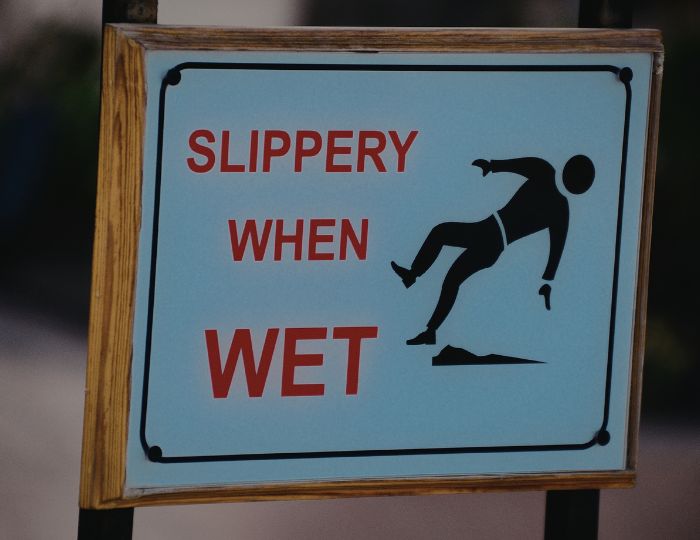
Tile floors are popular for their durability, water resistance, and easy maintenance. However, many homeowners eventually notice a frustrating problem: their tile floors start becoming slippery.
This issue can develop gradually, often without homeowners realizing what’s causing it. Slippery floors aren’t just inconvenient—they can also become a serious safety risk, especially in kitchens, bathrooms, and entryways.
Fortunately, understanding why this happens can help you take the right steps to restore traction and safety.
Buildup From Cleaning Products
One of the most common reasons tile floors become slippery is cleaning product residue.
Many household floor cleaners contain soaps, waxes, or polymers that leave a thin film behind. While this may temporarily make floors appear shiny, it gradually builds up over time.
This buildup can:
-
Reduce natural traction
-
Create a slick surface
-
Trap dirt and oils
Repeated mopping spreads the residue across the floor, making the problem worse with each cleaning.
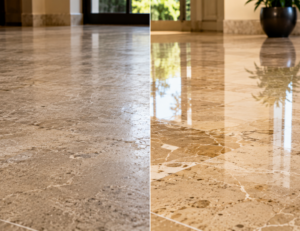
Professional tile and grout cleaning removes these layers of residue and restores the natural surface texture of the tile.
Moisture and Soap Residue in Bathrooms
Bathrooms are especially prone to slippery tile surfaces.
Shower overspray, soap residue, shampoo, and body oils all combine to create a slick film on tile floors. Over time, this buildup becomes difficult to remove with routine cleaning.
This is particularly common in areas surrounding showers and tubs.
Professional shower cleaning removes stubborn soap scum and mineral buildup that can contribute to slippery bathroom floors.
Worn Tile Surfaces
Over time, heavy foot traffic can wear down the natural texture of tile surfaces.
While tile is durable, years of use can gradually smooth out microscopic surface texture that helps provide grip. When this happens, floors may become noticeably slick.
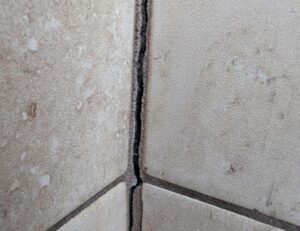
In some cases, damaged grout or tile edges can also contribute to unsafe conditions.
Services like tile and grout repair can restore damaged areas and improve both safety and appearance.
Natural Stone Can Become Slippery Too
Natural stone surfaces can also lose traction over time.
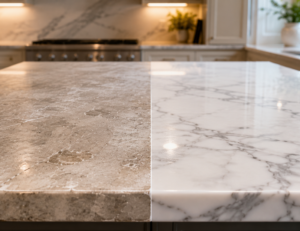
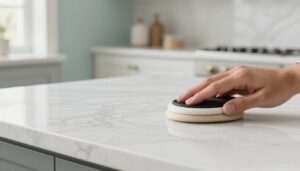
Materials such as marble and granite often develop smoother finishes as they wear, especially in high-traffic areas. When combined with moisture or cleaning residue, this can make floors surprisingly slick.
Professional restoration services such as marble restoration and repair and granite restoration and repair help restore the proper surface finish and remove contaminants that contribute to slippery conditions.
How Anti-Slip Treatments Improve Floor Safety
When floors remain slippery even after thorough cleaning, anti-slip treatments can provide an effective solution.
Professional anti-slip solutions modify the surface at a microscopic level, improving traction without changing the appearance of the tile.
Benefits of professional anti-slip treatments include:
-
Improved traction on wet surfaces
-
Reduced slip-and-fall risk
-
Invisible protection that preserves the original look of the floor
-
Long-lasting safety improvements
Specialized services such as anti-slip floor coating are designed specifically to improve floor safety in homes and businesses.
When to Consider Professional Floor Treatment
If your tile floors feel slippery even after cleaning, the issue is likely deeper than routine maintenance can fix.
Professional floor treatment may be recommended when you notice:
-
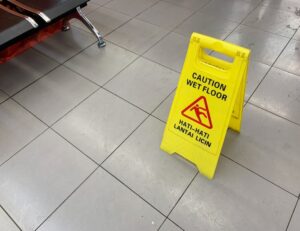
Slippery floors when wet
-
Residue that keeps returning after mopping
-
Heavy soap or cleaning buildup
-
Worn or smooth tile surfaces
A professional evaluation can determine whether cleaning, repair, or anti-slip treatment will best restore the safety of your floors.
You can also learn more about available services or request help through the company’s service overview or request an estimate through the get a quote page.
TL;DR / Key Takeaways
-
Tile floors often become slippery due to cleaning residue buildup.
-
Soap, moisture, and oils commonly create slick surfaces in bathrooms and kitchens.
-
Worn tile surfaces can reduce traction over time.
-
Natural stone floors may also lose grip as their finish smooths out.
-
Professional cleaning and anti-slip treatments can restore traction and improve floor safety.